

Using Beneficial Insects on the Flower Farm
/Not every insect in the garden is a pest. Some of the hardest-working creatures on our flower farm are the tiny predators, pollinators, and soil-builders quietly helping maintain balance in the fields. Over time, we’ve learned that beneficial insects are one of the most effective ways to support healthy plants and combat pests. While no flower farm or garden is free from pests or plant disease, we aim to use organic and sustainable growing practices as much as possible. Beneficial insects are our first line of defense when we notice pesky bugs like aphids, thrips and little buggers that love to chomp our flowers.
Beneficial insects help manage pest populations naturally by preying on insects that damage crops, weaken plants, or spread disease. They also contribute to soil health, pollination, and the overall resilience of the flower farm and garden. For flower farmers and home gardeners alike, learning to recognize and support these “good bugs” can make a significant difference in the health of your plants.
These are a few of the beneficial insects and garden helpers we especially appreciate on the farm.
Ladybugs
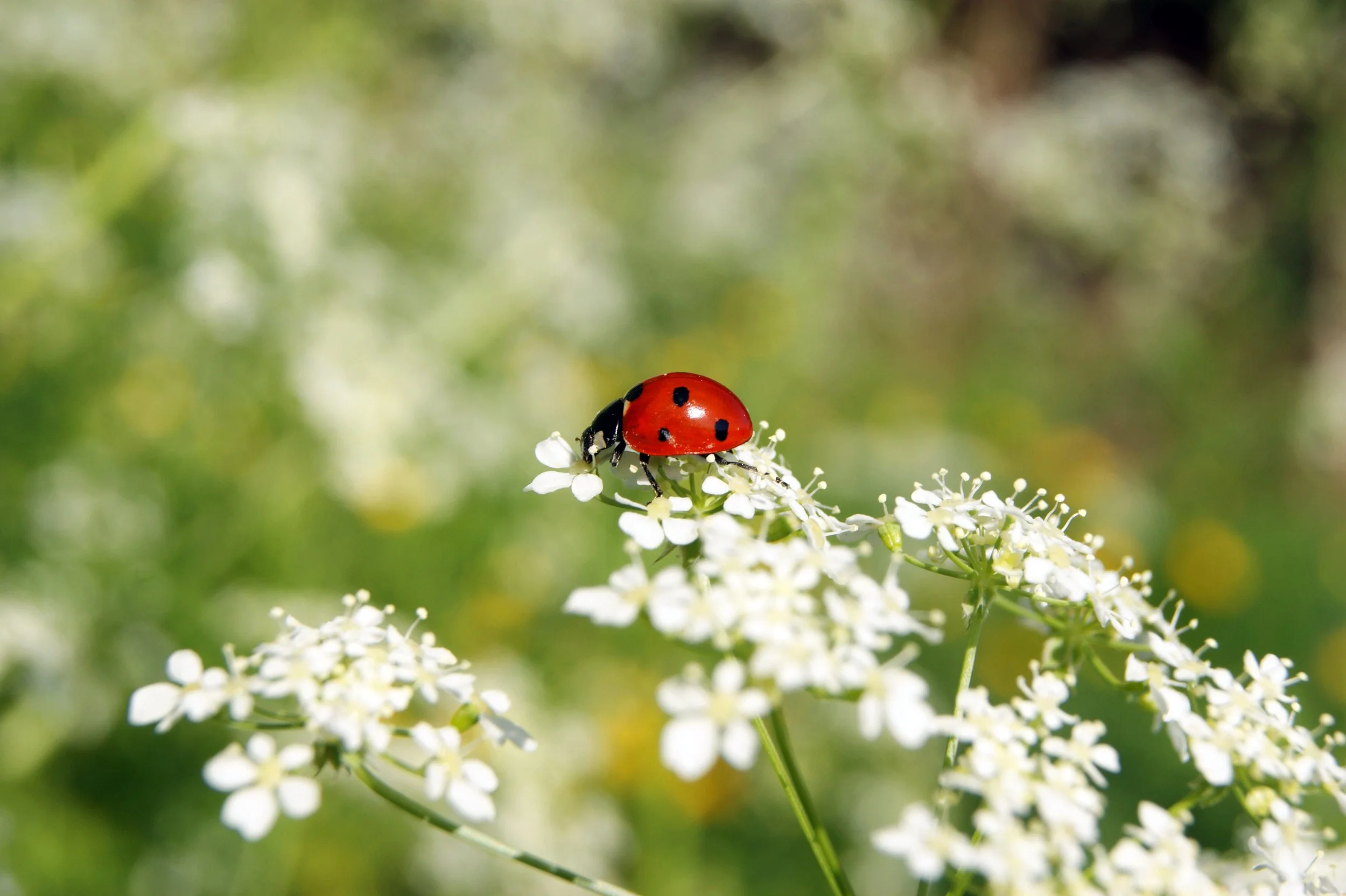
Ladybugs are perhaps the most beloved beneficial insects in the garden — and for good reason.
Both adult ladybugs and their larvae are some of the best predators that target aphids, one of the most common pests on flower farms and in home gardens. Aphids can quickly multiply on tender new growth, especially during cool, wet springs.
One of the best ways to attract more ladybugs naturally is by planting flowers and herbs they enjoy, such as dill, yarrow, fennel, and even dandelions.
You can also purchase live dormant ladybugs from many garden centers or from integrated pest management suppliers like ARBICO Organics and release them directly into your garden.
Praying Mantises
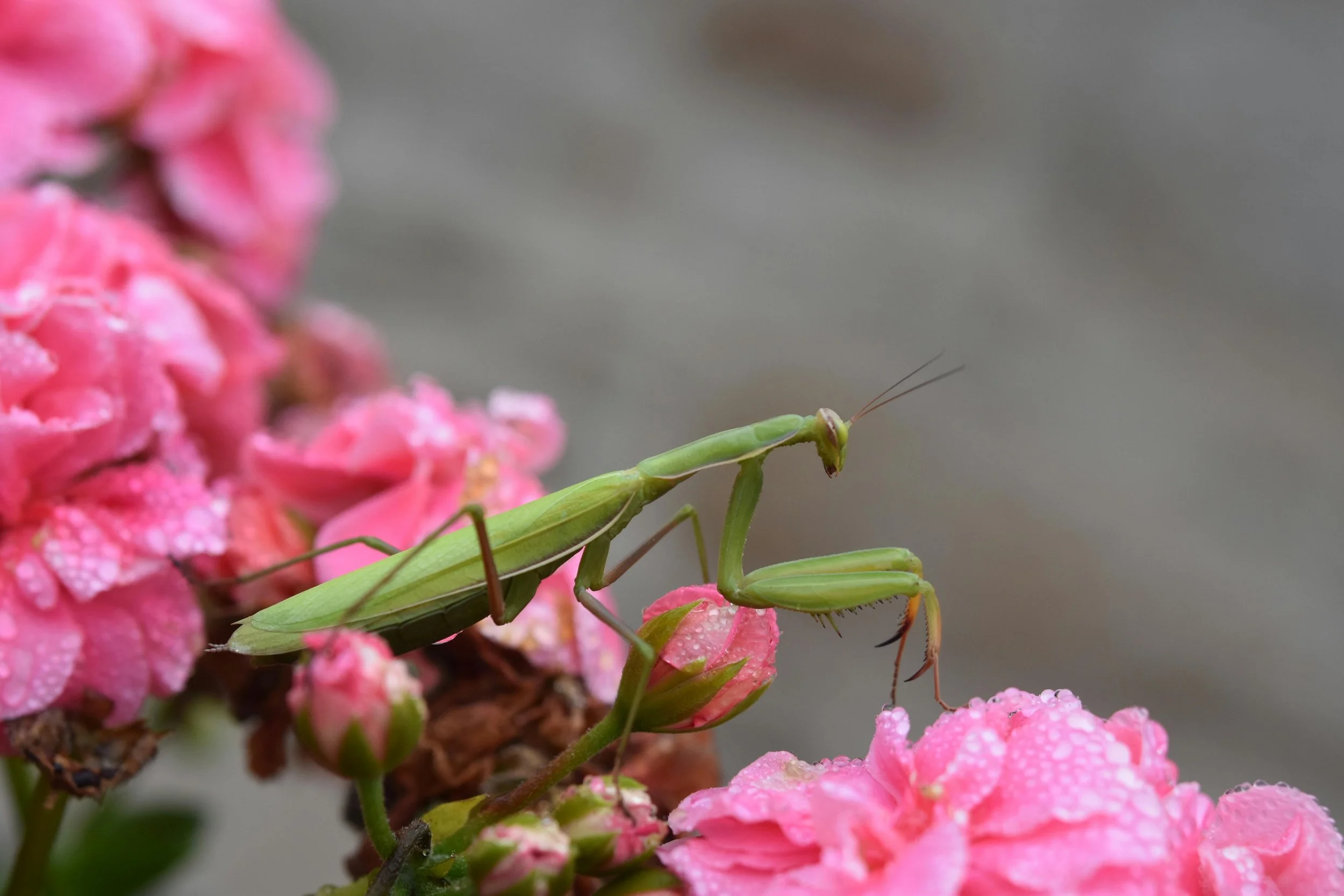
Praying mantises are fascinating creatures to spot in the garden.
These patient hunters feed on a wide range of insects, including moths, grasshoppers, mosquitoes, flies, roaches, and aphids. Unlike some beneficial insects that target only one pest, mantises are more generalist predators.
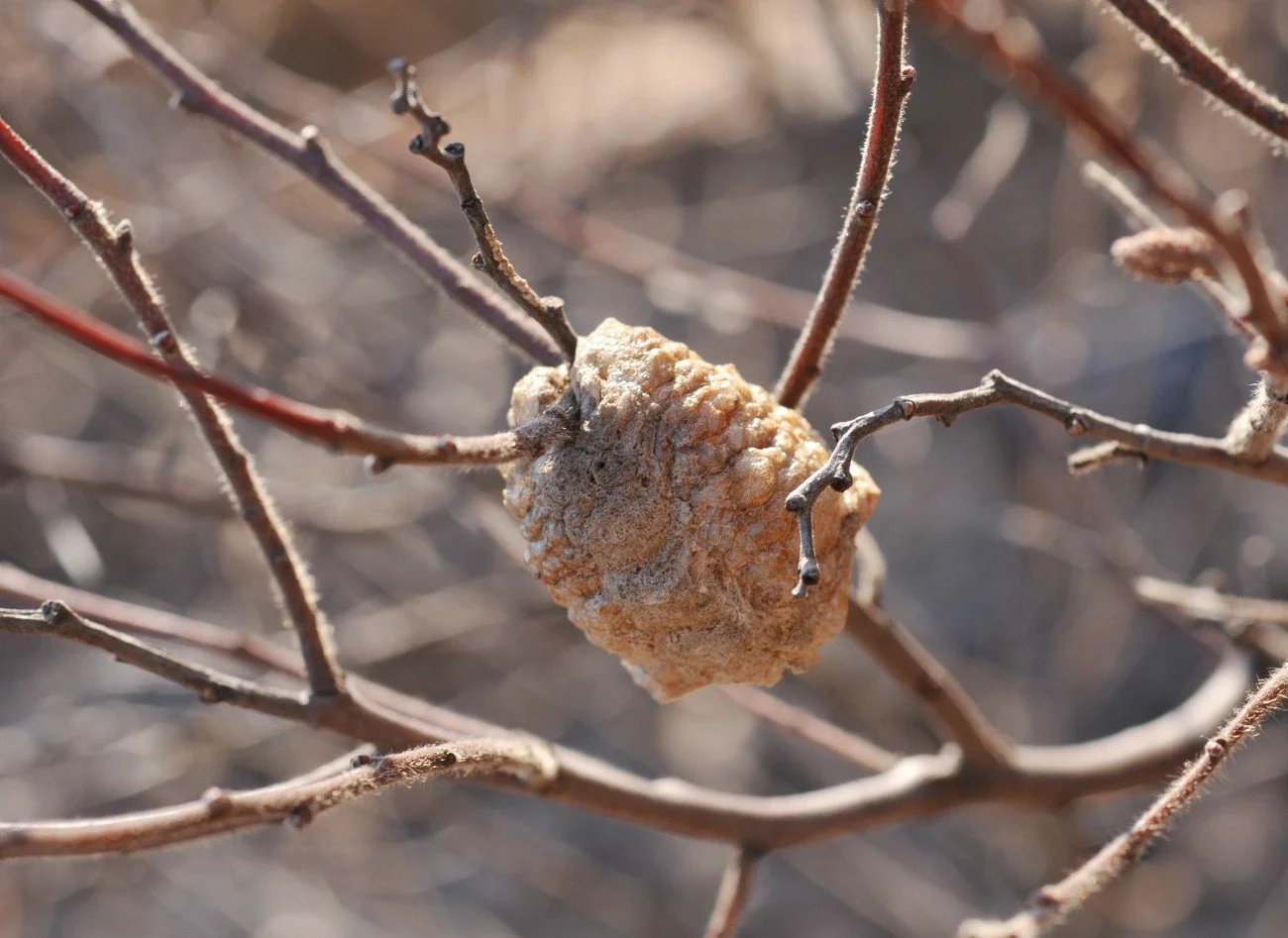
They are also one of the easiest beneficial insects to recognize. In autumn, female praying mantises lay their eggs in a distinct-looking egg case attached to branches, stems, or fences. These egg cases overwinter and hatch in spring, releasing dozens of tiny mantises into the garden.
While praying mantises can sometimes eat pollinators and other beneficial insects alongside pests, we still appreciate the balance and biodiversity they bring to the farm ecosystem.
Earthworms
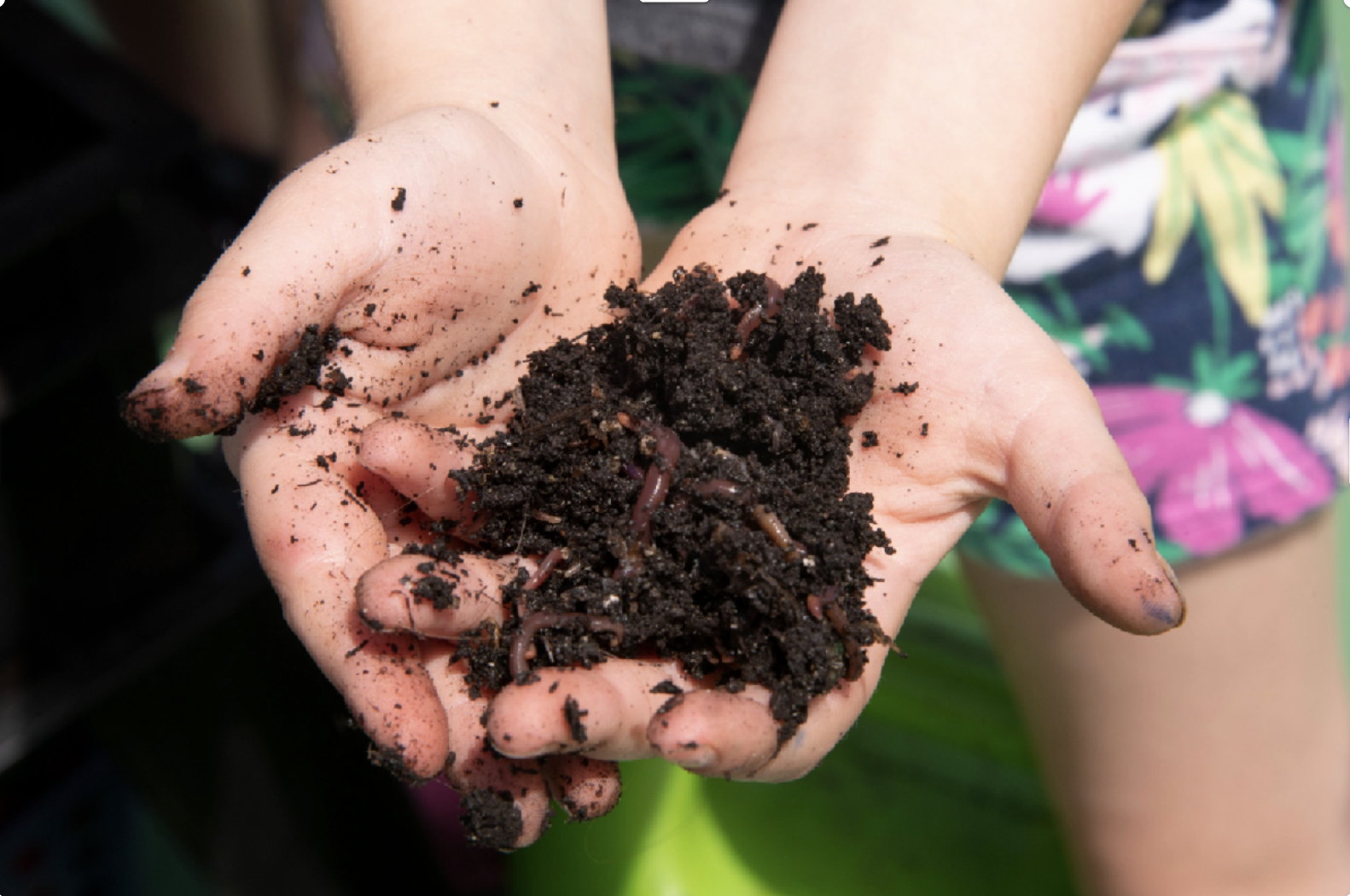
Earthworms may not technically be insects, but they are some of the most important living creatures in healthy soil.
Seeing earthworms in the garden is usually a sign that the soil is rich in organic matter and biologically active. Earthworms help break down compost and plant material into nutrients that plants can easily use. As they move through the soil, they also create tiny tunnels that improve airflow, drainage, and root development.
Healthy soil is the foundation of healthy plants, and healthy plants are naturally more resilient against pests and disease.
If your soil lacks earthworms, it can be a sign that the soil is compacted, overly dry, or low in organic matter. Adding compost and reducing chemical inputs can help improve conditions over time. Some gardeners also introduce earthworms intentionally by purchasing them or digging them up and relocating them from other parts of the garden.
Green Lacewings
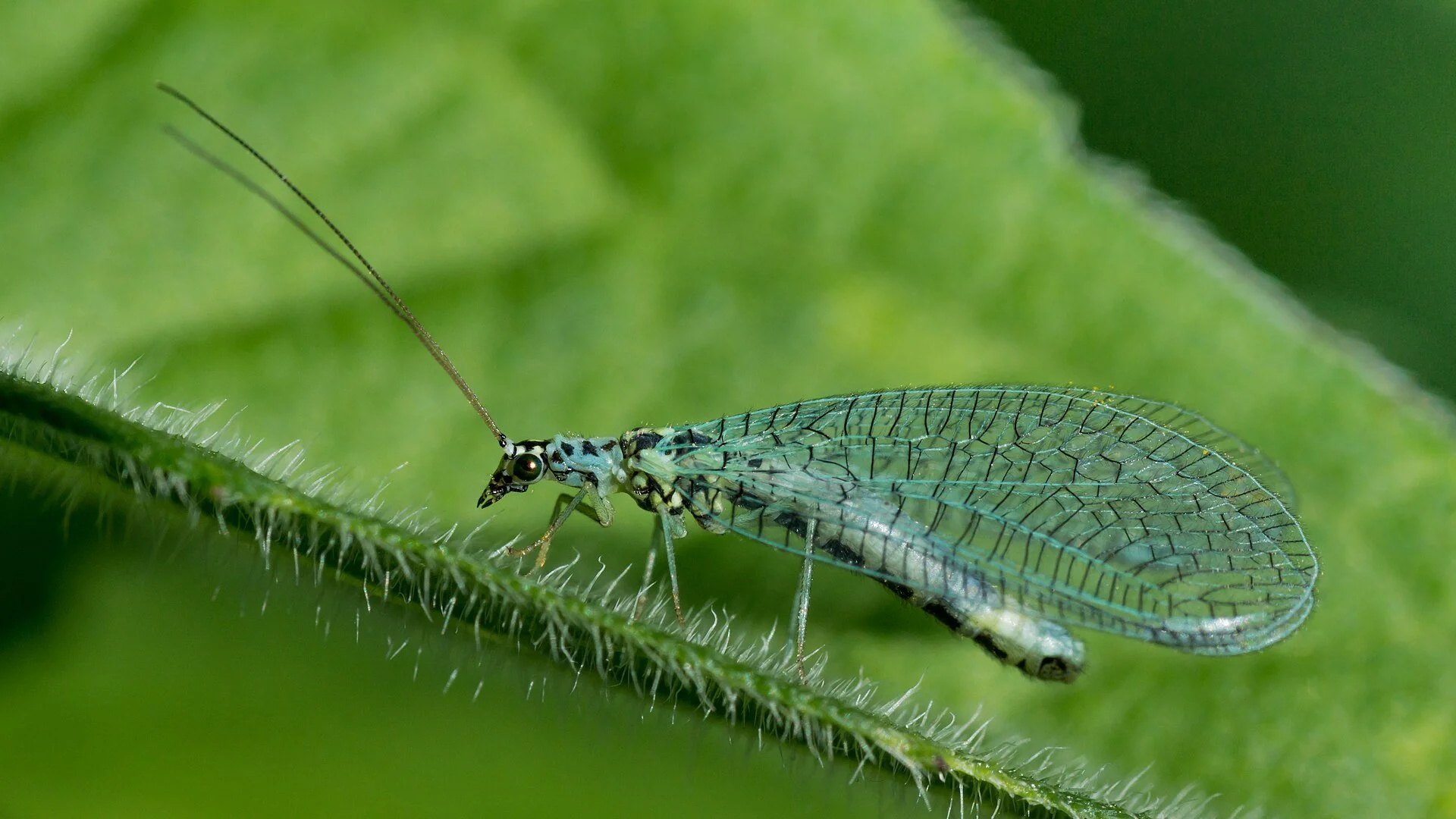
Green lacewings are one of the most effective beneficial insects for organic pest control.
It’s actually the larvae that do the real work. Lacewing larvae feed aggressively on aphids, thrips, whiteflies, spider mites, leafhoppers, and other soft-bodied pests that commonly damage flowers and foliage.
Because of their appetite for problem insects, lacewings are often used as part of an integrated pest management strategy on farms and in greenhouses.
Green lacewings can be purchased from reputable biological control companies like ARBICO Organics and released directly into the garden or high tunnel.
Minute Pirate Bugs
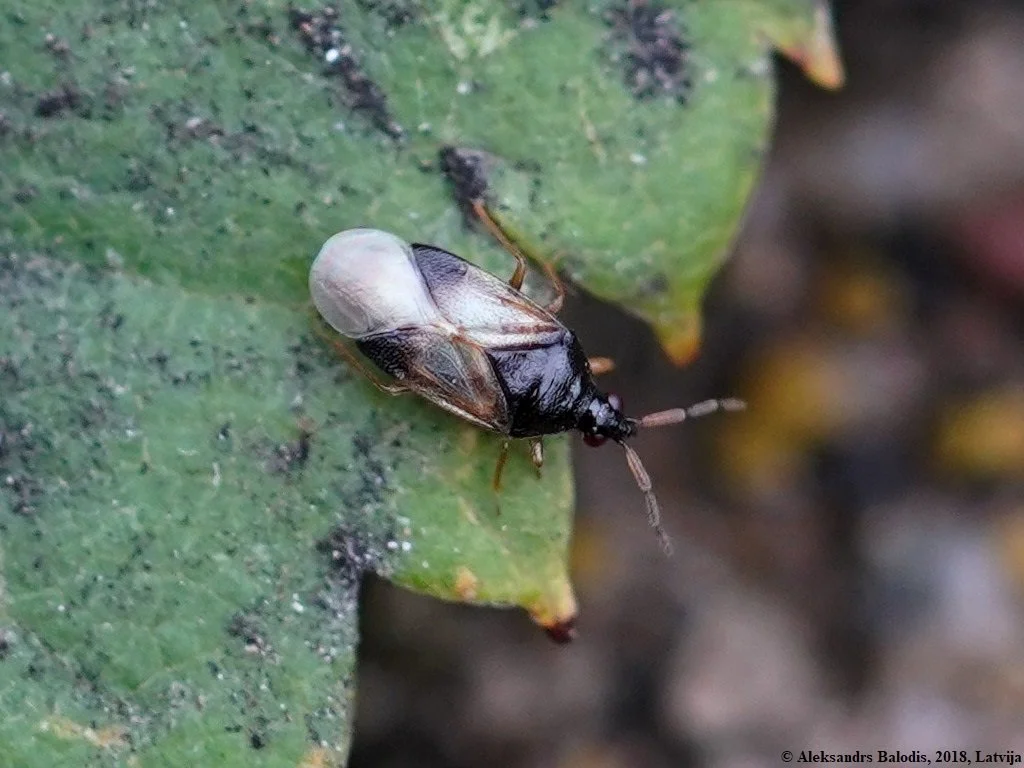
Despite their tiny size, minute pirate bugs are mighty predators in the garden.
These fast-growing beneficial insects are especially helpful for controlling thrips, which can be a frustrating pest for flower farmers and florists alike. Thrips damage blooms by feeding on petals and foliage, often causing browning, distortion, or reduced vase life.
Minute pirate bugs help keep thrip populations under control naturally, especially when supported by a diverse planting of flowers throughout the garden.
Because they are so small, many gardeners never notice them — but their impact can be significant.
Creating a More Balanced Garden
One of the goals on our flower farm is not to eliminate every insect, but to create a healthier balance. A thriving ecosystem includes pollinators, predators, decomposers, and countless other tiny creatures all working together in ways we often cannot fully see. By supporting or introducing beneficial insects and focusing on soil health, biodiversity, and organic growing practices, we create conditions where plants are naturally stronger and more resilient.
