
Our Top 5 Perennial Foliages to Grow for Flower Farmers and Farmer Florists
/Not every essential plant on the farm is grown for its flowers.
Some of the most useful and versatile plants we grow at Flourish are used specifically for their foliage — the branches, stems, and leaves that give arrangements their shape, movement, and depth.
At Flourish, perennial foliage plays a foundational role in our floral design work. These plants often take years to establish, but once they do, they become some of the most reliable and heavily used materials we harvest.
For flower farmers and farmer-florists, foliage is just as important as flowers. It creates structure, softens transitions, and allows arrangements to feel layered and complete.
Over time, we’ve intentionally added perennial foliage plants throughout the farm — along borders, tucked into the landscaping, and in dedicated beds. Many of these plants are cut repeatedly throughout the season and continue to produce year after year.
Flourish’s Favorite perennials for foliage
These are five of our favorite perennial foliage plants to grow for flower farms and floral design.
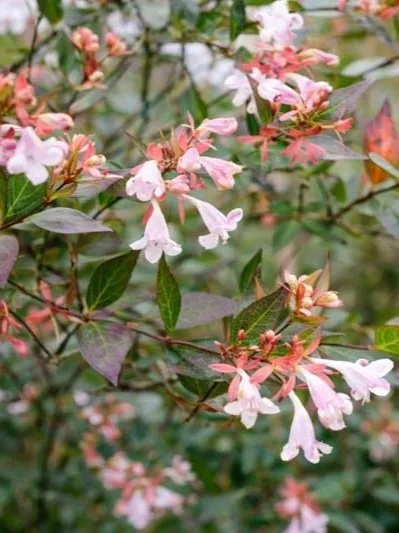
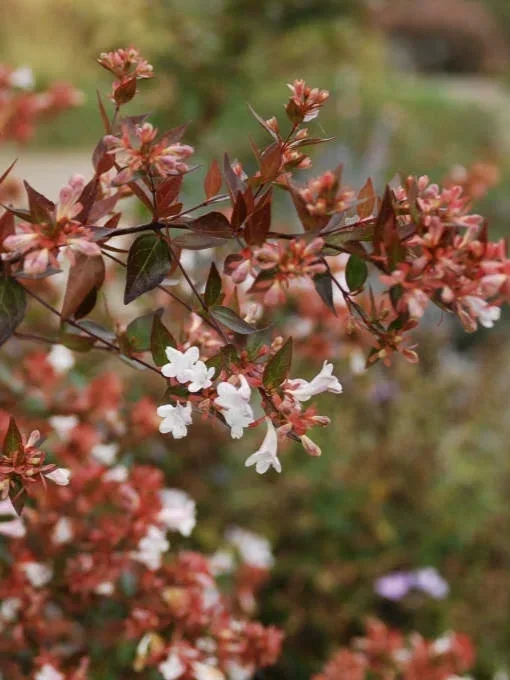
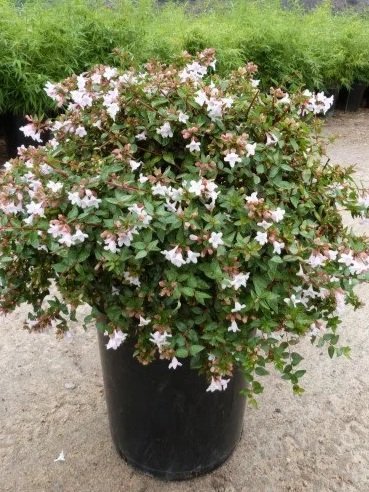
Abelia
Latin: Abelia
This flowering shrub produces long, arching branches with small, glossy leaves that bring a soft, refined texture to arrangements. While it does produce delicate blooms, we most often harvest it for its foliage.
In floral design, abelia adds movement and a slightly draping quality that works beautifully in garden-style arrangements.
Once established, it produces an abundance of usable stems and responds well to regular cutting, making it a valuable foliage source for the farm.
Mountain Mint
Latin: Pycnanthemum muticum
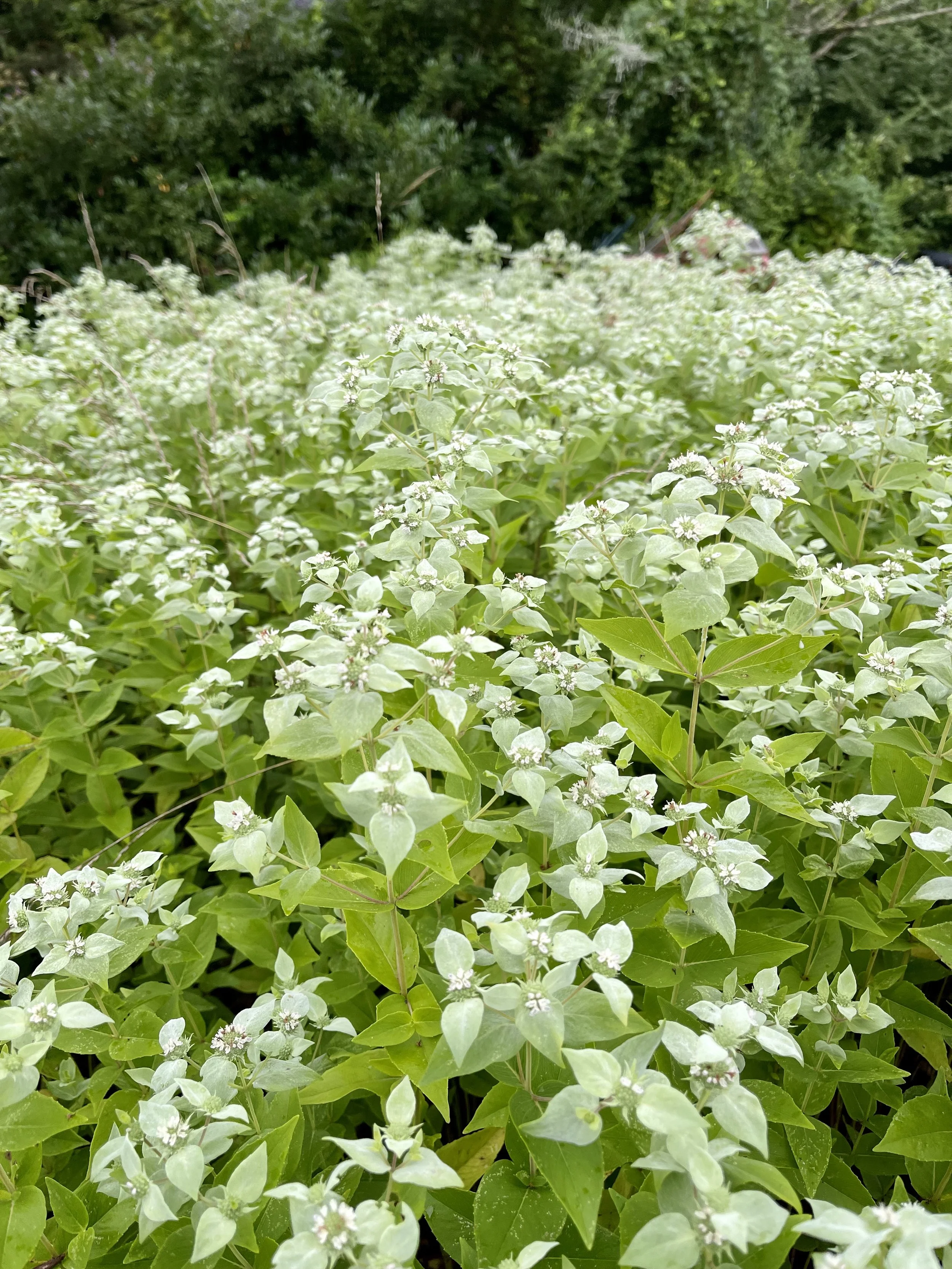
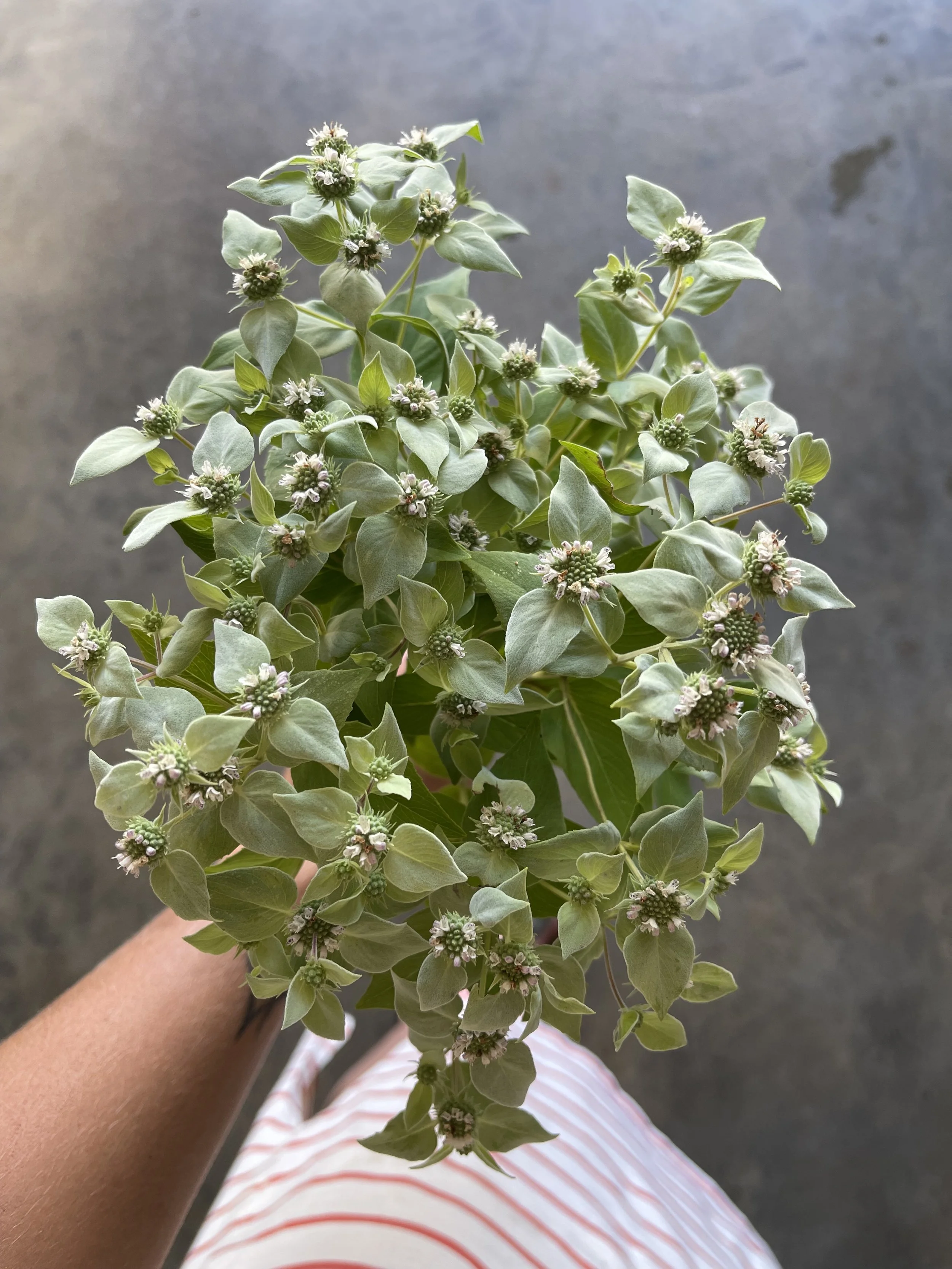
Mountain mint is one of the most unique foliage plant that’s native to North Carolina.
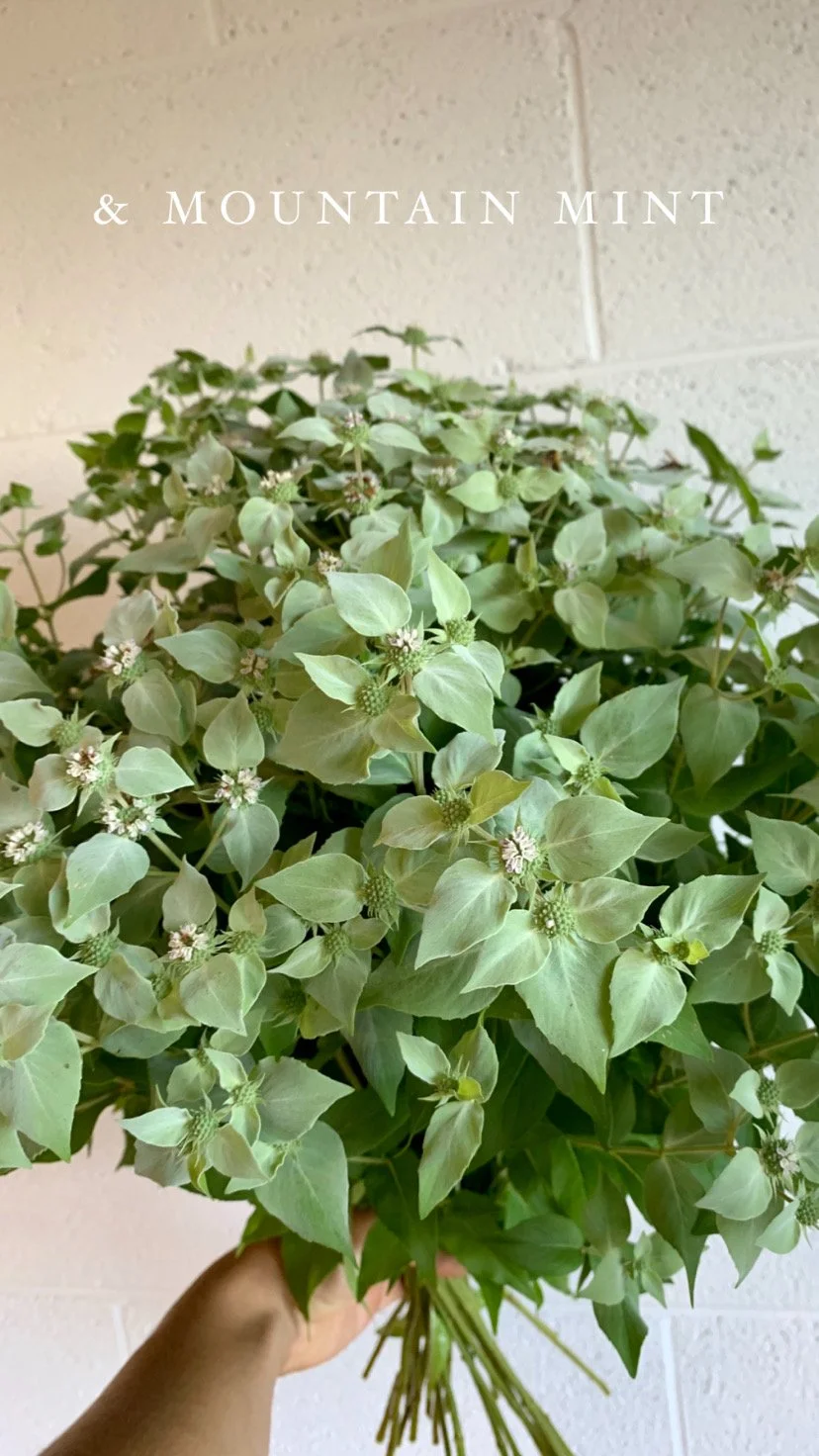
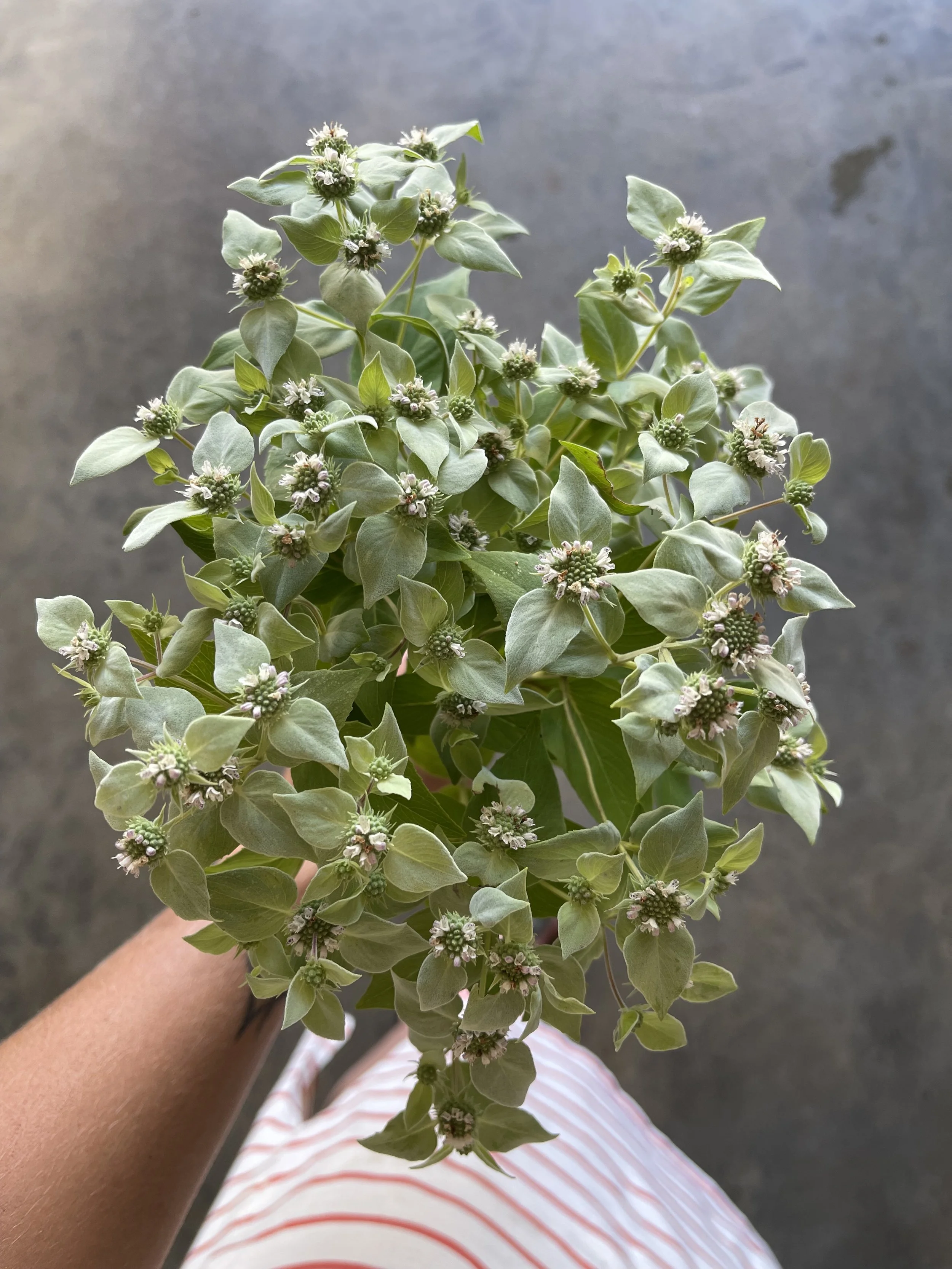
Its soft green leaves are topped with silvery bracts that create a luminous effect in the garden. When it blooms, tiny white flowers attract an incredible number of pollinators, making it as beneficial as it is beautiful.
For floral design, mountain mint is prized for its fragrance, texture, and movement. It works well as a filler foliage and pairs easily with both bold and delicate flowers.
Timing is important when harvesting — stems hold best after the plant has begun to flower. Once established, it spreads readily and becomes increasingly productive each year.
Ninebark
Latin: Physocarpus
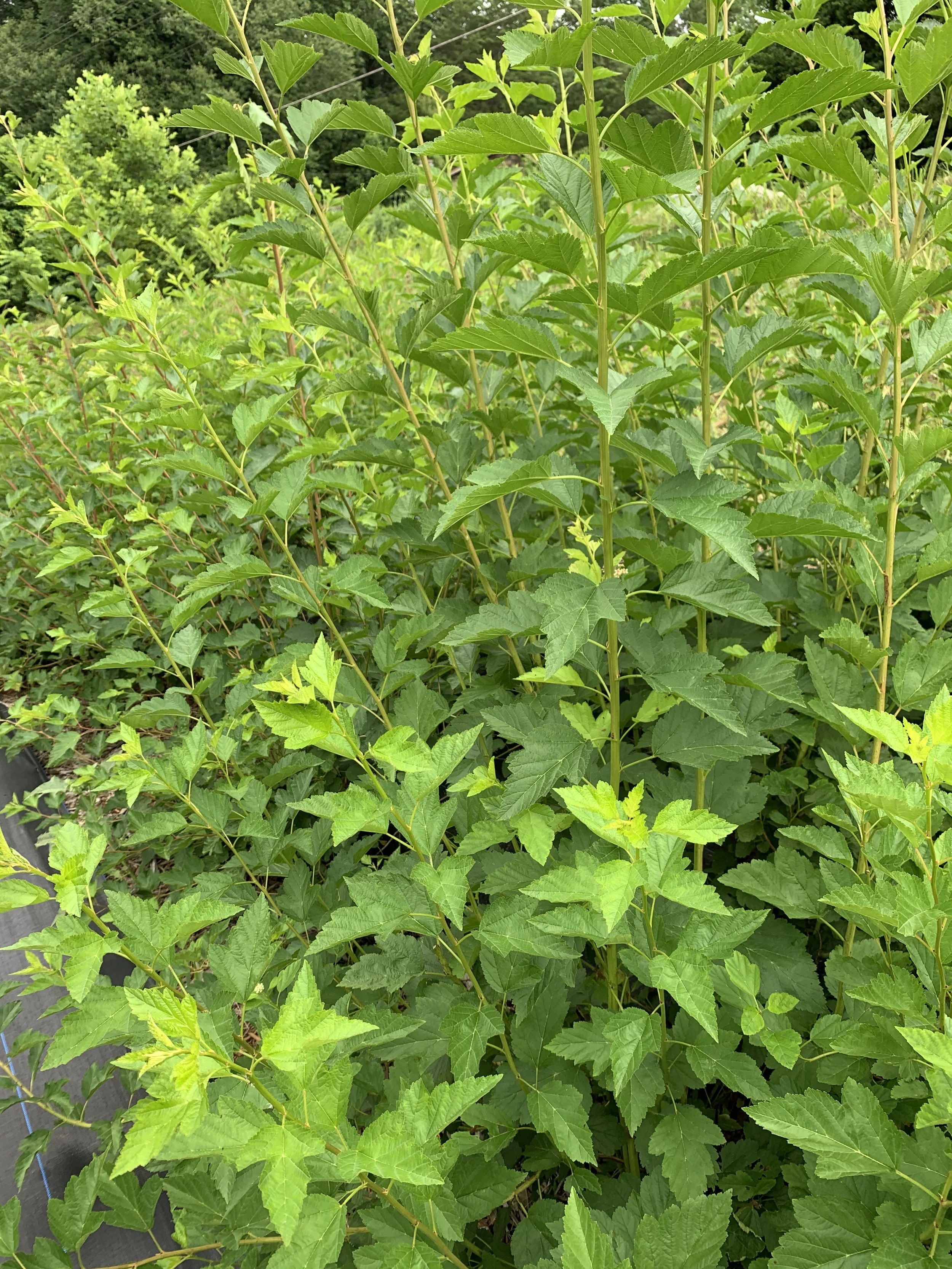
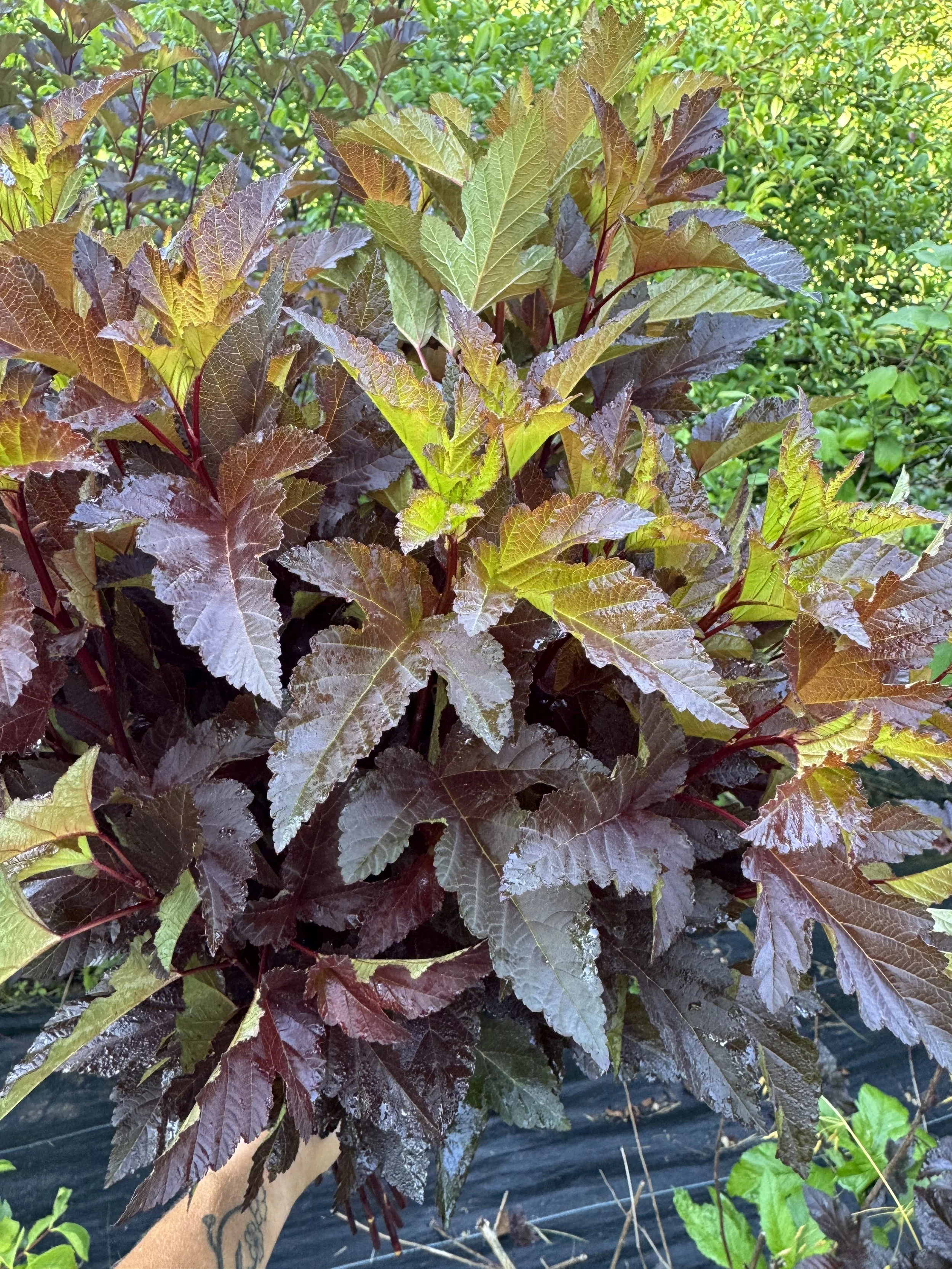
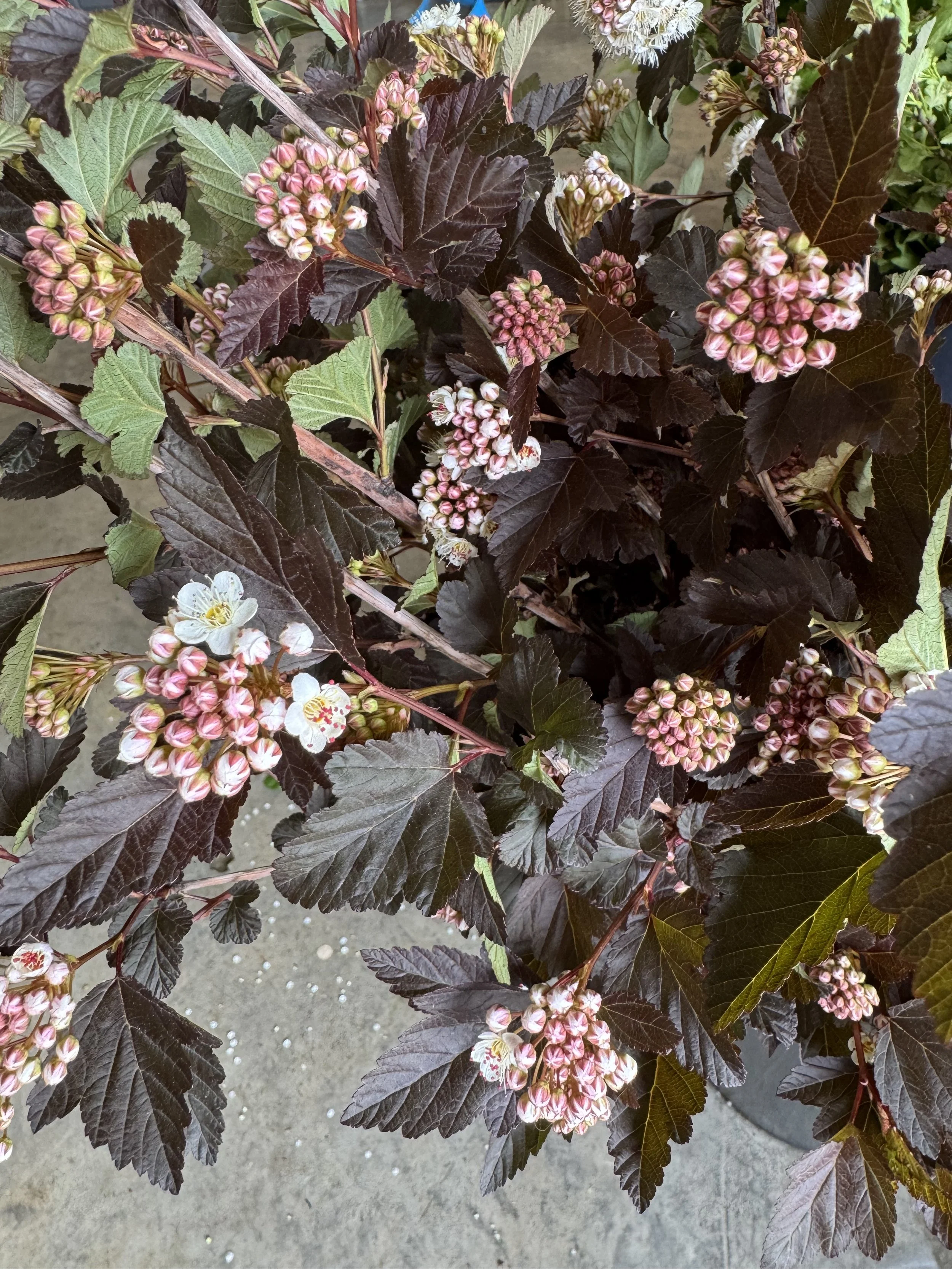
Ninebark is one of our favorite woody foliage plants for adding depth and contrast to arrangements.
Its long, straight branches are lined with textured leaves that come in shades ranging from soft green to deep burgundy, depending on the variety. This makes it incredibly versatile in floral design, where color and structure both matter.
Ninebark takes time to establish, but once mature, it produces strong, usable stems that are excellent for larger arrangements and installations.
Allowing the plant to develop before heavy cutting is key, as younger growth can be more delicate.
Solomon’s Seal
Latin: Polygonatum
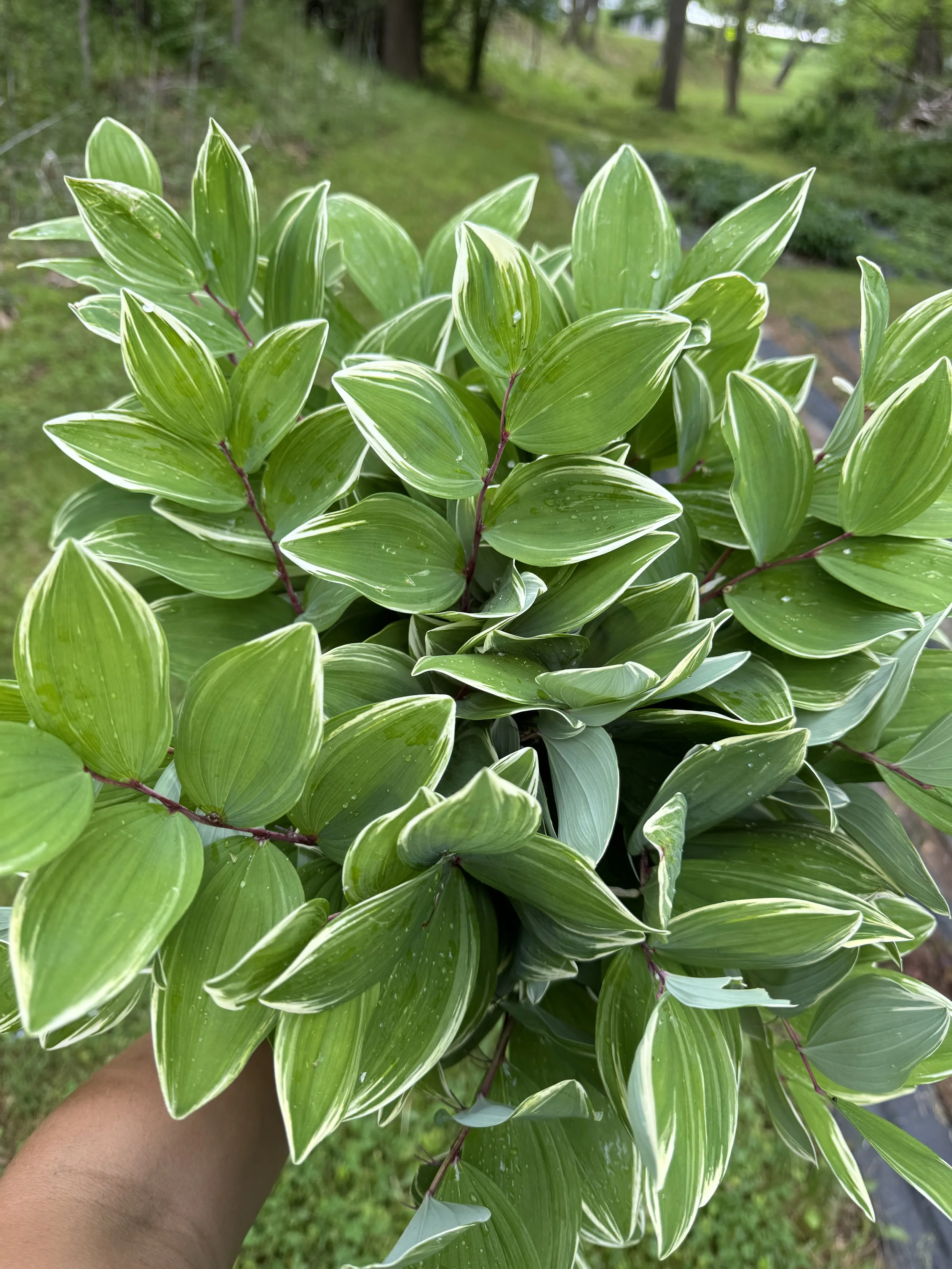
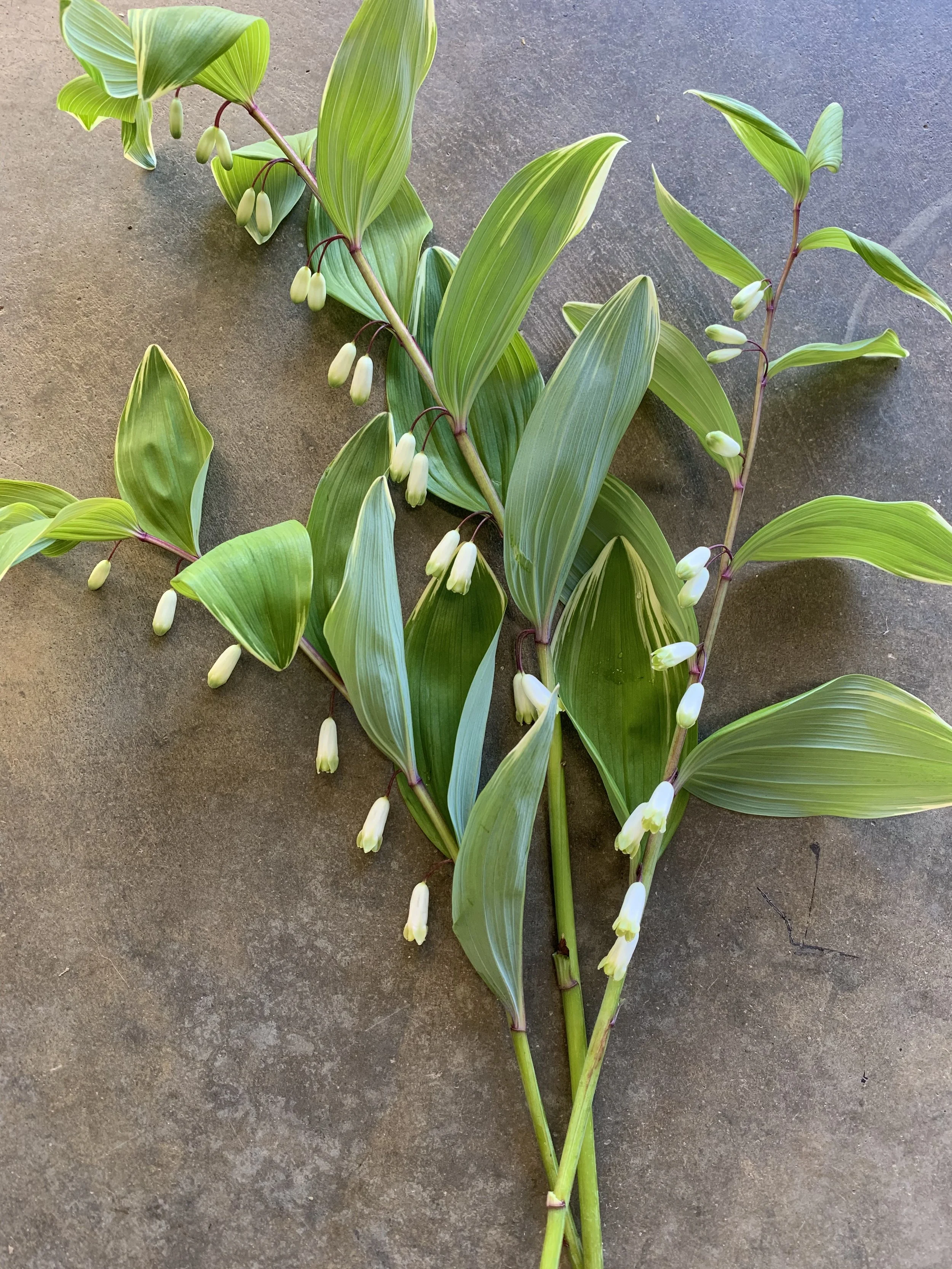
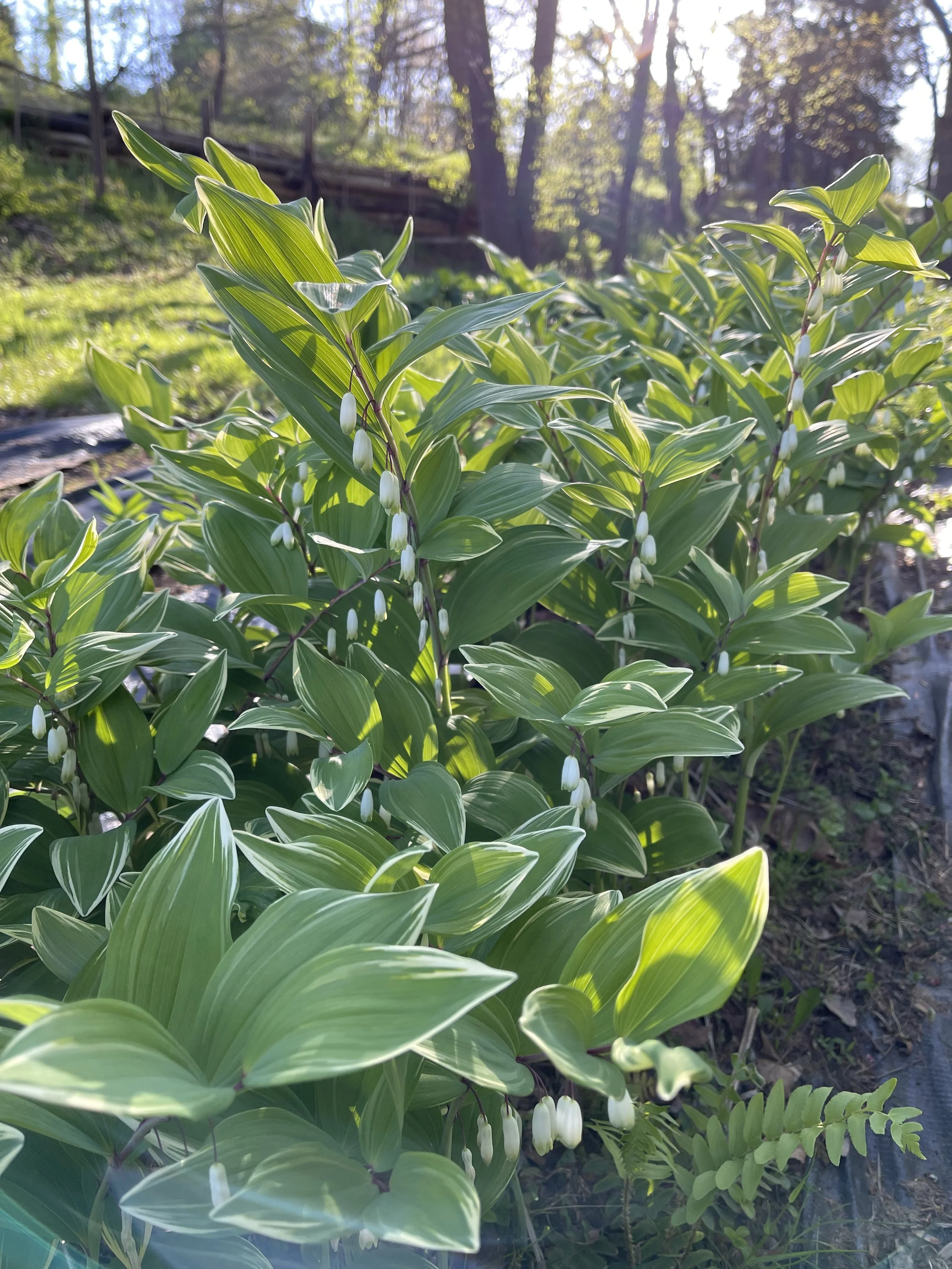
Solomon’s seal brings a soft, graceful quality to the cutting garden.
Its arching stems are lined with soft green leaves and delicate, pendulous flowers in the spring. While the blooms are lovely (if brief!), we find Solomon’s seal’s foliage just as elegant and useful material for floral design.
In arrangements, Solomon’s seal adds movement and a natural, woodland feel that pairs beautifully with spring and early summer flowers.
It prefers partial shade and thrives in more protected areas of the farm, slowly forming larger clumps over time.
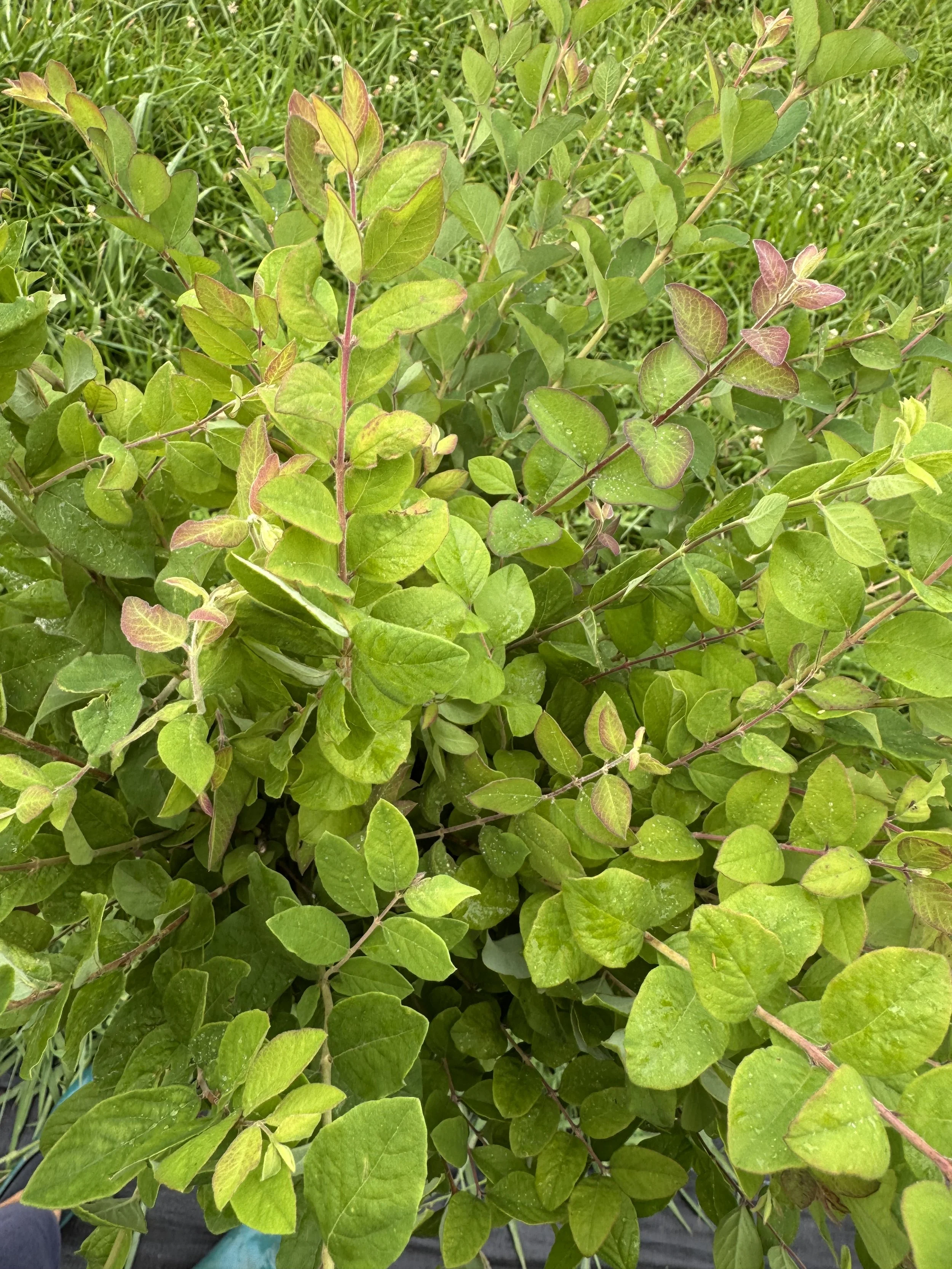
Coralberry
Latin: Symphoricarpos
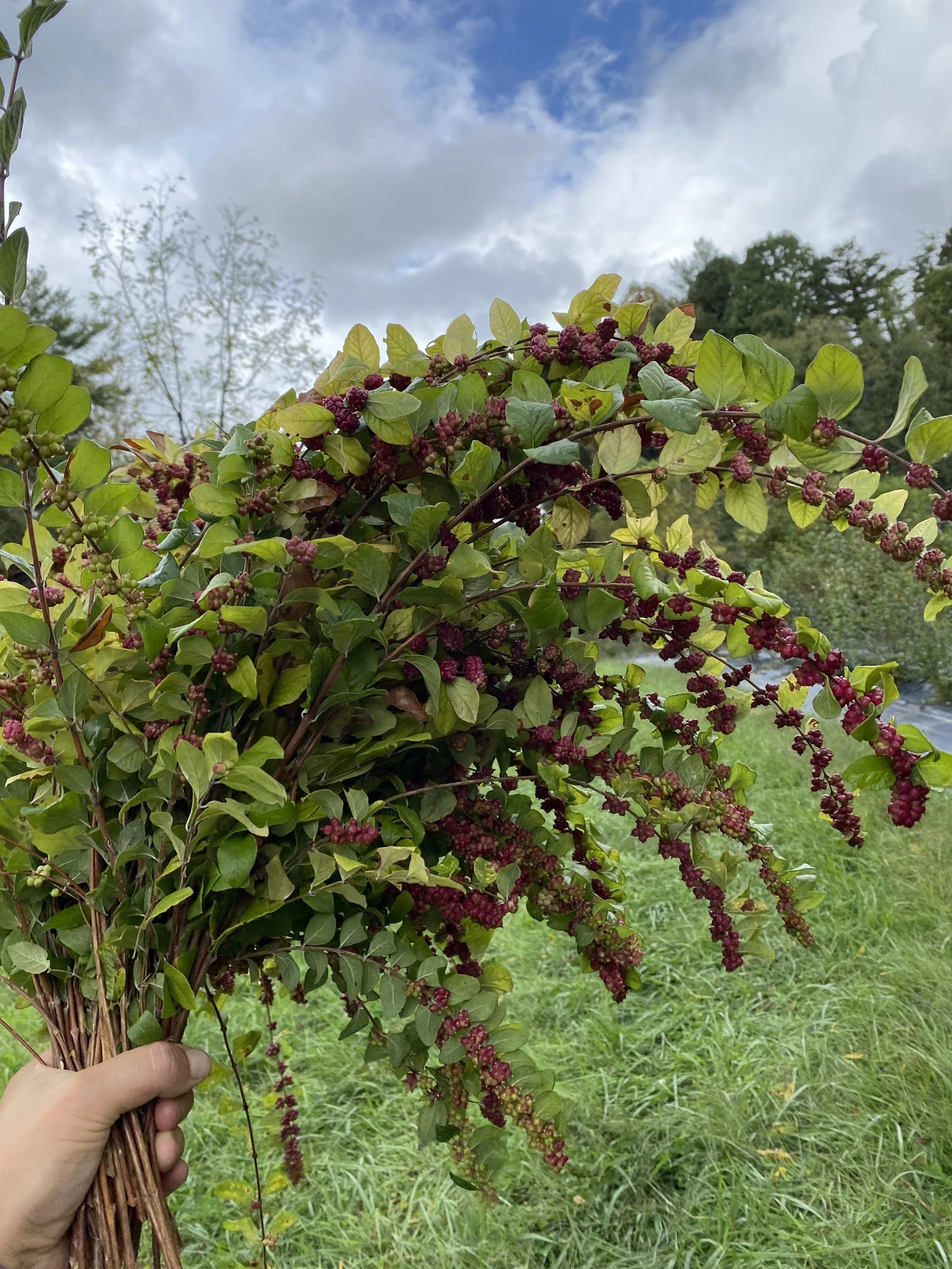
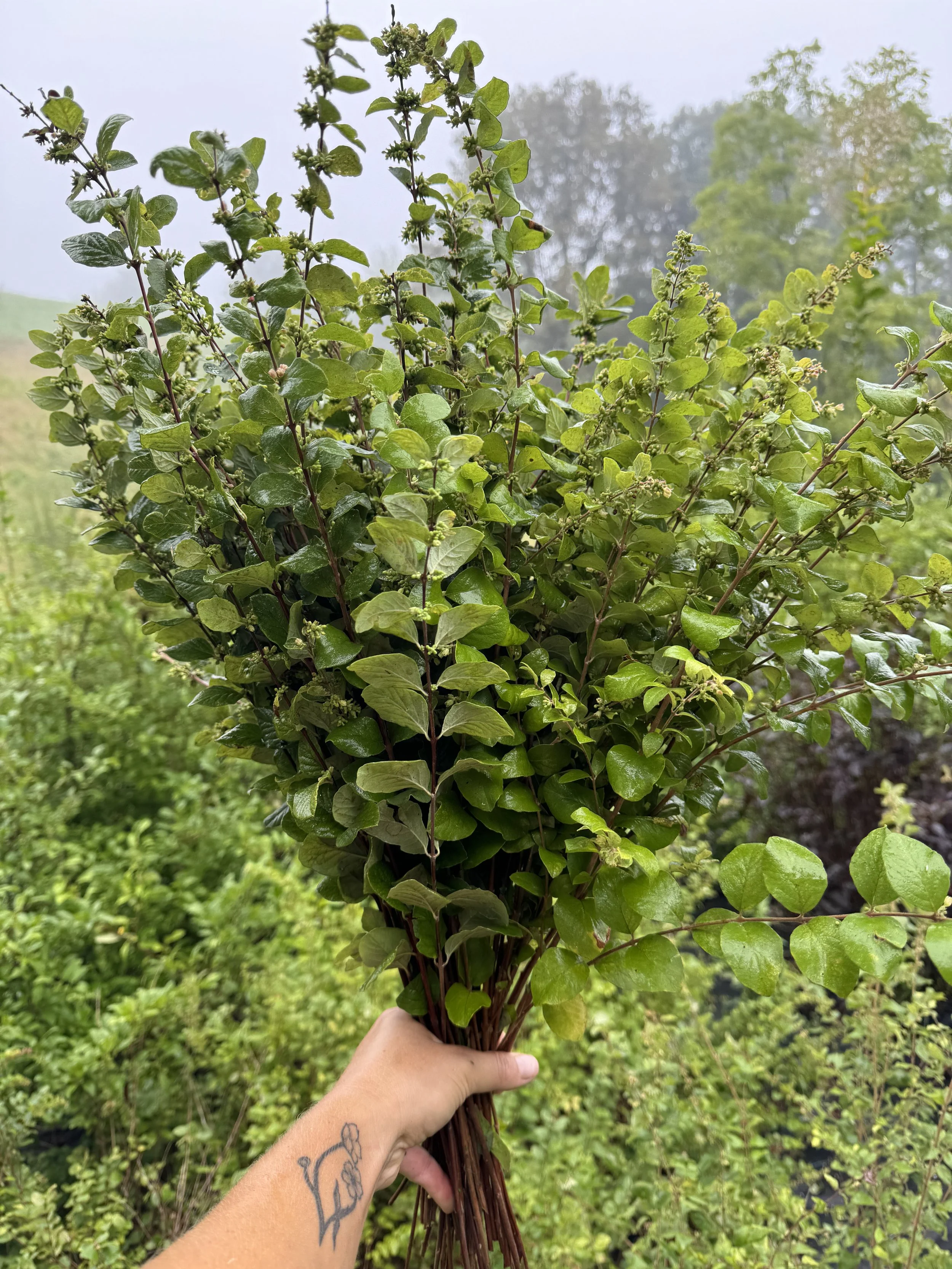
Coralberry is closely related to snowberry and offers similar structure with a slightly different color story.
We use coralberry for its foliage but also for the clusters of soft pink berries that appear later in the season. These berries add texture, color, and a slightly unexpected element to floral design.
Coralberry spreads over time, making it a generous producer once established. For farmer-florists, it provides a valuable transition material that carries arrangements from late summer into fall.
The Foundation Behind Every Arrangement
Foliage is what allows flowers to shine.
It creates the framework of an arrangement, giving shape, movement, and balance to each design. Without it, even the most beautiful flowers can feel incomplete.
On the farm, perennial foliage plants are some of the most dependable crops we grow. They return year after year, usually requiring little attention while providing a steady supply of essential design material.
For flower farmers and farmer-florists, investing in perennial foliage is one of the most practical and rewarding ways to strengthen both the garden and the work that comes from it.
Over time, these plants become part of the rhythm of the farm — quietly supporting every bouquet, every arrangement, and every season that follows.
